




Bank Queue Gaming: A Look at the Spaceman Game and Money Chores in the UK

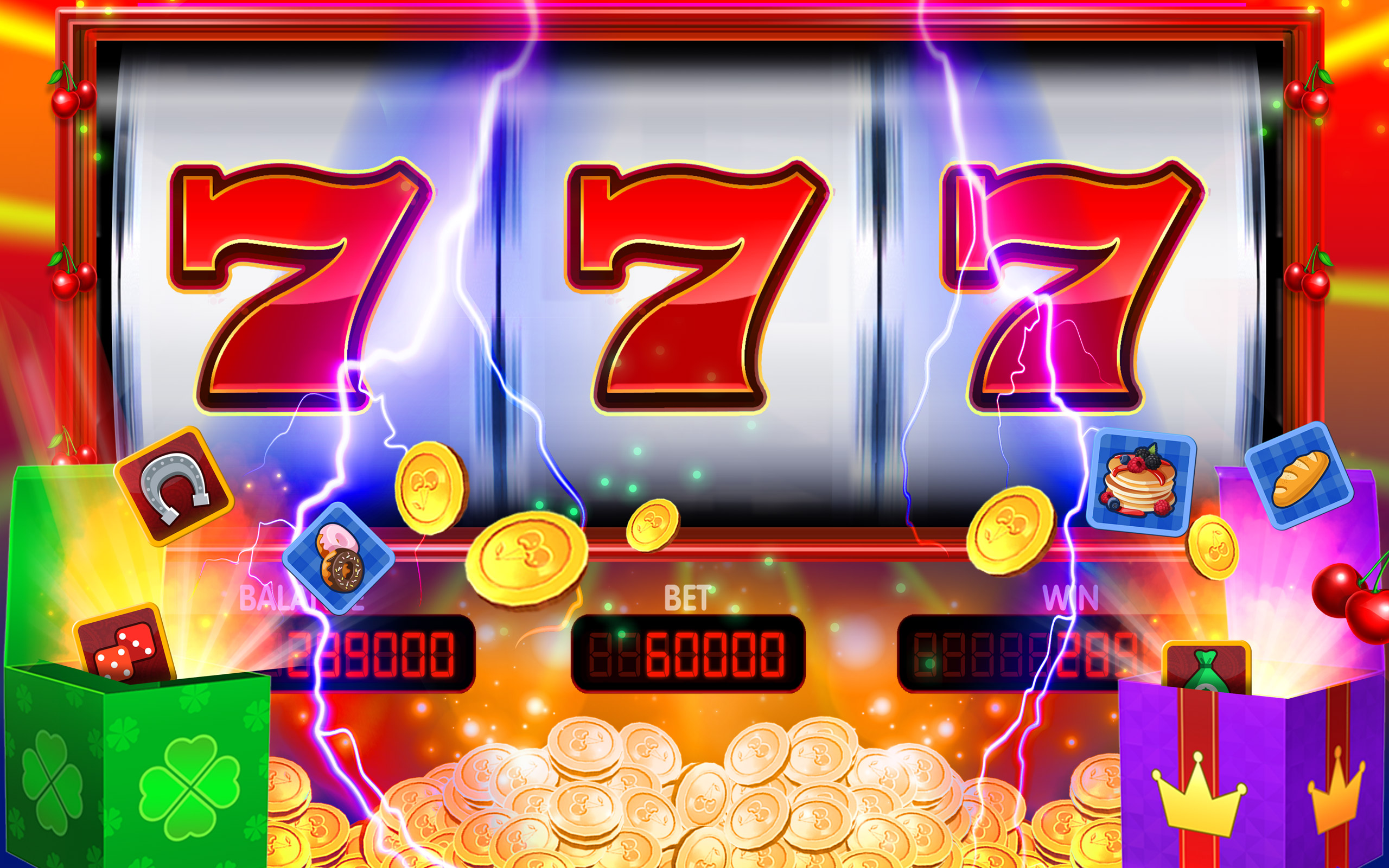
Day-to-day life in the UK has a certain rhythm, and I’ve noticed a funny overlap between boring money chores and the virtual games we play to pass the time. We all know the feeling. You’re trapped in a slow bank queue, you’re midway through an lengthy digital mortgage form, or you’re just killing minutes until a transaction clears your account. These brief gaps of downtime have become great for phone games. One game that pops up again and again in these moments is Spaceman. It’s a basic online title, but it has a curious draw. Let’s be clear: this article isn’t here to advocate for gambling. Instead, it’s a exploration at how these games fit into modern British life, the money situations that often happen alongside them, and the practical things to consider if you play. I want to analyze this phenomenon from a objective viewpoint, bridging the online thrill of Spaceman to the concrete realm of UK financial admin and managing your cash.
What Precisely Is the Spaceman Game?
If you haven’t come across it, Spaceman is an internet gambling game you typically find on casino sites. It has a very simple screen. You see a comic astronaut. The core concept is you make a wager and watch a multiplier grow from 1x upwards during a timer. Your task is to cash out before the astronaut unpredictably vanishes. If you neglect to cash out before it disappears, you lose your stake. The longer you wait, the greater your possible winnings, but the bigger the risk of a sudden collapse that ends the game. This creates a genuine tension between greed and caution. Its biggest strength is its simplicity. There are no complicated rules. You don’t need to have any gaming experience. This simplicity explains why it’s so favored during short breaks. Let’s be absolutely clear: this is a game of luck, not skill. Every round’s result is decided by an RNG. The crash level is unforeseeable. It encapsulates the central concept of gambling risk inside a sleek, space-themed wrapper.
Vital Tools for Controlled Engagement
If you do choose to try games like Spaceman, using the responsible gambling tools is not optional. It’s the core of safe play. I consider these as digital seatbelts. Every UK-licensed site offers them. They are most effective when you establish them before you start playing, not after. The most important tool represents the deposit limit. This lets you cap how much you can add each day, week, or month. It automates your budget. Reality checks are pop-up notifications that tell you how long you’ve been playing. They interrupt that flow state that can lead to longer sessions than you intended. Loss limits and wager limits provide more layers of control. The most powerful tools are likely the time-out and self-exclusion options. A time-out allows you to take a short break from playing, from 24 hours up to several weeks. Self-exclusion, which you can do through GAMSTOP, blocks your access to all licensed sites for a period you select. My strong advice is to educate yourself about these features on the site you play on. Configure them to levels that feel strict. They are designed to stop your leisure time from turning into a problem.
Practical Alternatives to Gaming During Financial Waits
If you only desire to occupy that waiting time in a productive or healthy way, you have numerous other alternatives. My suggestion is to employ these moments for low-effort activities that don’t carry financial risk. For example, you could use the downtime to finally arrange the cards in your phone’s digital wallet or unsubscribe from shop emails that entice you to spend. Other good alternatives include listening to a personal finance podcast, which at least keeps your mind on boosting your money skills, or using a budgeting app to quickly record what you’ve spent recently. If you simply wish a distraction, try a game that has nothing to do with money, an audiobook, or a short breathing exercise to soothe any stress from the financial task. The important thing is to be honest about your intention. Ask yourself: am I playing because I’ve planned this as a fun break, or am I trying to avoid the irritation of waiting? The second reason is a red flag. Selecting a different activity can break the connection in your mind between financial admin and impulsive gaming.
Money management and the Notion of “Fun Funds”
This is the stage where we have to speak openly about personal finance https://spacemancasino.co.uk/. Engaging in any activity with actual cash, especially when you’re already worried about money, demands a rigid, pre-set financial limit. The concept of “fun money” or an “leisure spending” is essential. This has to be money you can genuinely afford to part with. It needs to be completely distinct from the money for your housing, your groceries, your savings, and your financial assets. Consider it like allocating for a movie ticket or a cup of coffee from a store. It’s a set cost for a leisure activity. The hazard with “on-the-spot betting” is the impulsive top-up. The irritation of a rejected payment or a underwhelming savings rate might lead someone to put in more money in the same sitting. This blurs the distinction between entertainment and emotional spending. A sensible method involves determining a solid weekly or monthly maximum. You view any losses as the expense of the leisure. You not ever, ever attempt to win back what you’ve spent. This discipline is the essential barrier between light gaming and something that could become a issue.

Lawful and Security Considerations for UK Players
In the UK, any online gaming with real money must take place on sites authorised by the Gambling Commission. This is a basic safety rule you cannot ignore. A authorised operator is legally forced to provide tools like deposit limits, time-outs, and self-exclusion. They must also guarantee their games are fair and their Random Number Generators are tested regularly. Before you use any site featuring Spaceman or something similar, you have to confirm its licence status. You’ll see this at the bottom of the site’s homepage. Also, never gamble on public Wi-Fi when you’re moving money around or logging into gaming accounts. Public networks are not safe. Use strong, unique passwords and turn on two-factor authentication if you are able to. Your security and the fairness of the game are the most vital things. Licensed UK operators also have a legal responsibility to check on customers who might be showing signs of harm. They are part of a safer gambling system. Unlicensed, offshore sites offer none of these measures. You should avoid them completely.
The Landscape of Financial Errands in Today’s UK
At the same time as these quick games have surfaced, the way we deal with our money in the UK has transformed. Digital banking has made some things faster, but numerous financial tasks still involve annoying delays and brain work. Here are some common situations where someone in Britain might pick up their phone to while away the moments.
- Branch Waiting Times: Even with branches closing their doors, people still head inside for authorizations, complicated problems, or paying in money. The wait can be extended and you have no idea how long.
- Call Queue Durations: Contacting HMRC, your bank, or an insurance company often means hearing waiting tunes for ages. It’s a prime time for looking at your phone for a diversion.
- Slow Online Processes: Filling out extensive paperwork for borrowing, financing, or official agencies online can be a fragmented process. It generates automatic gaps where you pause for the next page to load.
- Expecting Transfers: Waiting for your wages to go through, for an invoice to be paid, or for a reimbursement to arrive can be nerve-wracking. It causes frequently monitoring your balance, alongside trying to find other things to do to ignore the wait.

These circumstances put you in a type of mental limbo. You’re managing an crucial part of your life, but you have no control to make it go quicker. A game like Spaceman temporarily fixes that feeling of impotence. It gives you a little pocket of control and real-time reaction, even though that feedback is without real digital value.
Combining Healthy Digital Habits with Money Management
The ultimate aim is to create a digital life where entertainment and finance go hand in hand without leading to trouble. You must form conscious habits. I’d recommend storing your apps physically separate on your phone. Organize your banking and budgeting apps in one folder. Place your games and entertainment apps in a different folder. This simple visual cue helps keep them apart in your mind. Attempt to schedule your financial tasks for a specific, quiet time at home, rather than on the move where you’re more likely to multitask with games. If you allocate a budget for gaming, move that exact amount into a separate e-wallet or account you only use for that purpose. That way, you don’t see your main funds when you’re in the gaming environment. To reinforce this, you can attempt a few concrete steps.
- Examine Your Triggers: Make a note of which specific money tasks usually prompt you to play. Is it awaiting a loan decision? Being on hold with the council tax office? Understanding your trigger is the first step to changing the pattern.
- Prepare Alternatives: Before you commence a task you know requires waiting, have something else prepared. Download a podcast episode, install a different mobile game (one without money) installed, or access a book on your Kindle app.
- Employ Technology for Good: Establish app timers on your gaming apps to lock them after a certain amount of use each day. Use the spending alerts on your banking app to hold your main finances at the front of your thoughts.
By creating these clear, practical boundaries, you can enjoy the distraction of a game like Spaceman on your own terms. You guarantee it continues as a small pastime, not something that disrupts your financial health.
Identifying the Signs of Problematic Play
Because experiences like Spaceman are very simple to access and fast to play, you should evaluate yourself for clues that recreational play is developing into something different. This isn’t about creating fear. It’s about genuine self-awareness. Alert signs encompass beyond shedding money. Pay attention to changes in your actions. Are you focused on the game all the time when you’re handling other things? Do you feel restless or annoyed when you are unable to play? Are you using the game as your primary way to cope with money-related anxiety? In the distinct context of “financial errand gaming,” red flags involve depositing more money to your account just after a stressful call with your bank, or gaming exactly to attempt to win cash to pay for a bill or a deficit. Another key indicator is “chasing losses.” That’s the compulsive urge to recover lost money right away by playing more, which nearly always renders the losses more severe. If you realize you are concealing your play from people close to you, or if it’s commencing to affect your job or your connections, these are definite indicators the pastime is not anymore just innocent fun.
The Psychology of Danger in Gambling and Finance
What fascinates me is how Spaceman perfectly mimics core monetary concepts, despite the fact that it does it in a accelerated, straightforward way. The primary feature is this: collect early for a modest certain return, or stay in for a greater likely gain while risking a full losses. This is a clear form of risk versus reward. It’s the same trade-off that each investment and deposit choice rests on. Do you put money in a stable, low-return deposit account? That’s similar to cashing out ahead of time. Or should you place it into unpredictable stocks? That’s comparable to riding the multiplier. The game compresses a whole life of economic choices into a couple of moments. This could be misleading. It converts the grave character of financial risk into a game. It eliminates the analysis, the market analysis, and the strategic planning. The instant win/lose response can also warp your perception of odds. A handful of successful cash-outs at big returns can make you feel like you have mastery or expertise. This is the “gambler’s fallacy,” and it’s very bad news if you transfer it to actual cash decisions. Seeing this behavioral connection is crucial for maintaining the two domains apart.
Understanding the Attraction of Casual Gaming In Downtime
Why do we engage in games like Spaceman while waiting on hold? It comes down to how our brains work and the phones in our hands. A twenty-minute wait for your bank to call back, or that frozen progress bar on a tax website, forms a mental gap. We’re habituated to getting things now, so our minds seek something to do. Casual games are designed to fill that space. You don’t need instructions. You tap and you’re playing. The rounds are short and self-contained, which matches perfectly around unpredictable waits. Spaceman is the ideal example. You predict a multiplier before a little cartoon astronaut flies away. It provides you quick shots of anticipation and a result. This is the contrary of financial bureaucracy, which is often slow and confusing. You’re not seeking a deep challenge. You need a momentary distraction. For lots of people here, it’s a digital fidget spinner. It feels more active than mindlessly scrolling through social media, converting passive waiting into a string of tiny, active choices.